How Water Intrusion Damages Poured Concrete Walls
People searching for poured concrete wall repair are often trying to fix water damage, and local contractors can help restore and protect walls from further water intrusion.
Property owners in the area who have poured concrete walls might notice issues over time that are linked to water intrusion. When water seeps into or around these structures, it can lead to a range of problems, including cracking, spalling, and weakening of the concrete. Understanding how water intrusion damages poured concrete walls is essential for recognizing early signs of trouble and preventing more extensive damage that could compromise the integrity of a property. Exploring this topic can help homeowners and business owners make informed decisions about repairs and maintenance, especially when considering the expertise of local contractors who specialize in poured concrete wall repair.
Many property owners find it practical to learn about water intrusion because it can significantly affect the durability and safety of their structures. Damage caused by water can lead to costly repairs if not addressed promptly, making it important to identify vulnerabilities early. Local service providers who handle poured concrete wall repairs are equipped to assess the extent of water-related damage and recommend appropriate solutions. Keeping informed about how water intrusion impacts poured concrete walls can empower property owners to take proactive steps, ensuring their structures remain sound and protected against future issues.
- Concrete foundation repairs - homeowners noticing cracks or water seepage may need poured concrete wall repairs, which local contractors approach by sealing cracks and reinforcing the structure. Waterproofing services - when water intrusion causes dampness or mold growth, local pros typically apply sealants and install drainage solutions to prevent further damage. Structural reinforcement - signs of shifting or bowing walls indicate the need for reinforcement, with local service providers using specialized techniques to restore stability. Leak repair and sealing - persistent leaks or moisture buildup suggest water intrusion issues that local contractors address by patching leaks and improving water barriers. Damage assessment and remediation - visible signs of deterioration from water damage prompt local pros to evaluate the extent and perform necessary repairs to protect the wall’s integrity.
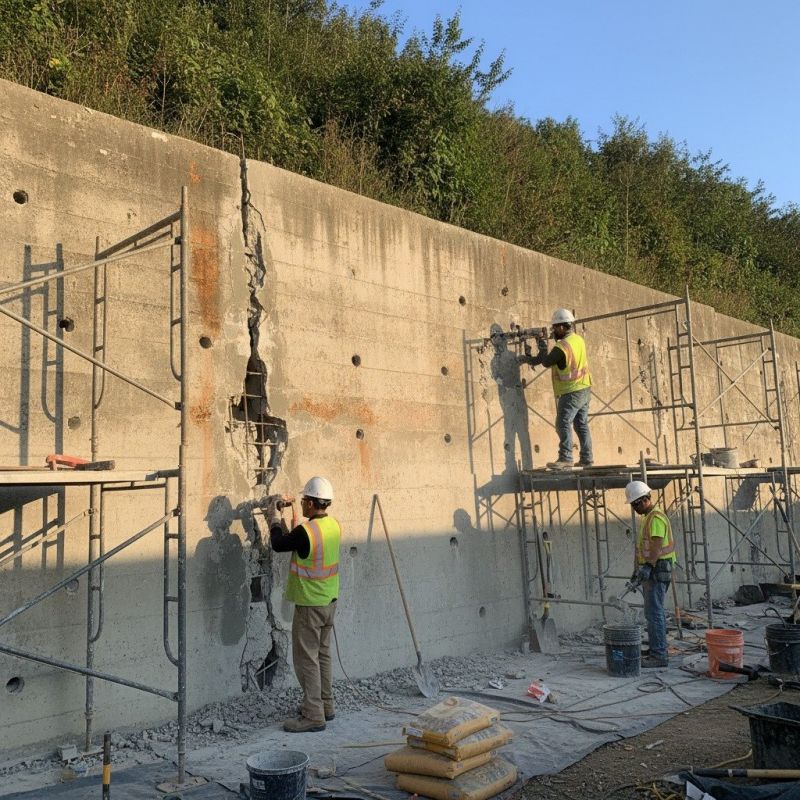
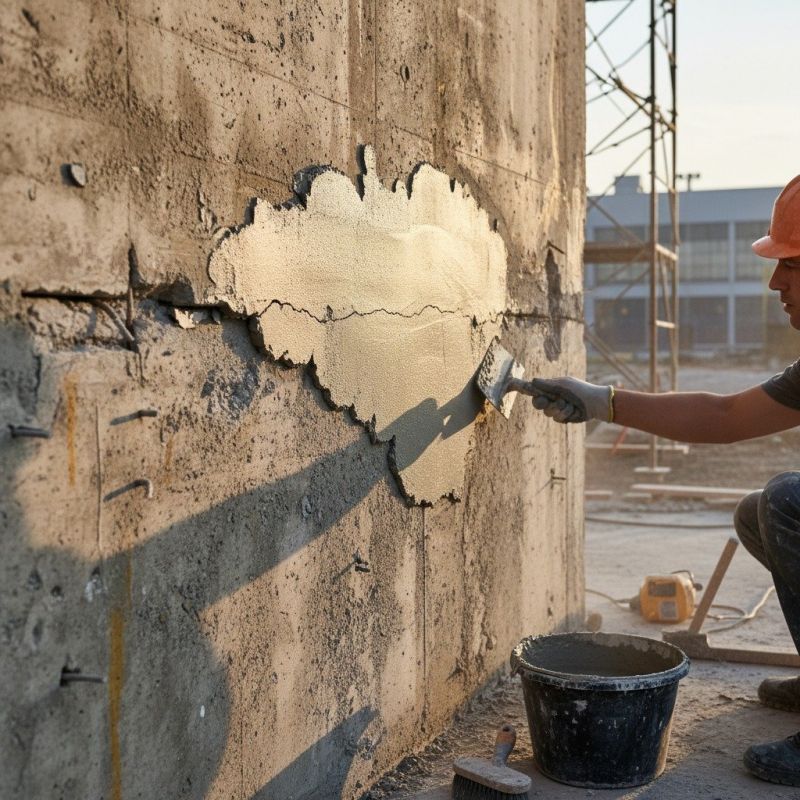
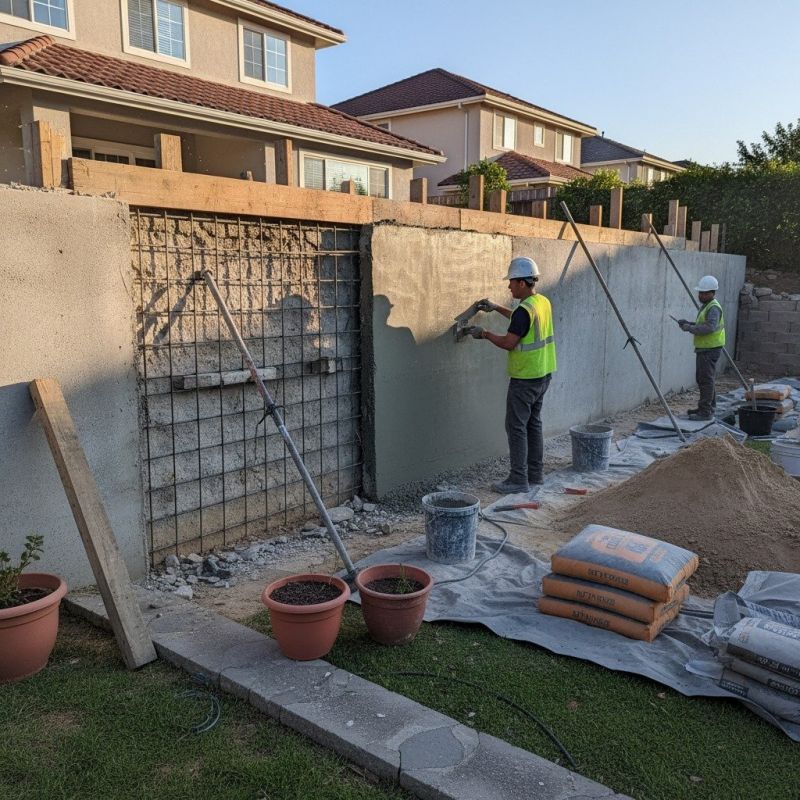
When people search for how water intrusion damages poured concrete walls, they are often trying to understand the underlying causes of structural issues in their property. This topic usually comes up in the context of basement or foundation concerns, especially when moisture seeps through walls or appears as cracks and stains. Homeowners may notice dampness, mold growth, or even water pooling near the foundation, prompting questions about the integrity of their poured concrete walls and how water is affecting their long-term property value. Understanding the connection between water intrusion and wall damage helps homeowners recognize potential problems early, before they escalate into costly repairs.
This topic is closely related to various property repair or improvement plans, particularly those focused on foundation stabilization, basement waterproofing, and structural reinforcement. Water intrusion can weaken poured concrete walls over time, leading to cracking, spalling, or bowing that compromises the wall’s ability to support the structure. These issues often require professional assessment and intervention to prevent further deterioration. Homeowners considering basement finishing, remodeling, or even new construction should be aware of how water-related damages can impact the durability of poured concrete walls and how local contractors can provide solutions to address these vulnerabilities.
The types of properties most commonly affected by water intrusion damage to poured concrete walls include residential homes with basements, especially in areas prone to heavy rainfall or high water tables. Commercial buildings with underground levels or foundations built on expansive soils are also at risk. These properties often feature poured concrete walls as a primary structural element, making them particularly susceptible to water-related issues if proper drainage, waterproofing, or sealing measures are not in place. Recognizing the signs of water intrusion early on can help property owners plan for repairs or preventative measures, with local service providers specializing in poured concrete wall repair ready to assist.
When water intrusion damages poured concrete walls, it can lead to a range of problems that threaten the stability and safety of a property. Common issues include cracking, spalling (where the surface peels or flakes away), and bowing or leaning walls. These damages often result from hydrostatic pressure-the force exerted by water pressing against the wall-especially during heavy rains or flooding events. Addressing these issues typically involves professional repairs, such as wall stabilization, crack injection, or waterproofing treatments. Connecting with experienced local contractors ensures that property owners receive tailored solutions to restore the strength of their poured concrete walls and prevent future water-related damages.
Foundation Waterproofing Projects - These projects involve applying waterproofing membranes and sealants that are similar to those used in repairing water intrusion damage in poured concrete walls.
Basement Flood Prevention Services - Local contractors working on flood prevention often handle water intrusion issues that can lead to deterioration of poured concrete basement walls.
Retaining Wall Construction and Repair - Retaining wall projects require understanding of water management and structural integrity, aligning with skills used in concrete wall damage repair.
Drainage System Installation - Installing proper drainage solutions helps prevent water intrusion, a key factor in avoiding damage to poured concrete walls.
Crack Repair and Structural Reinforcement - Repairing cracks and reinforcing concrete structures are common skills shared with addressing water-related damages in poured walls.
Moisture Barrier and Vapor Retardant Application - These services focus on controlling moisture infiltration, directly related to preventing water damage in poured concrete wall projects.
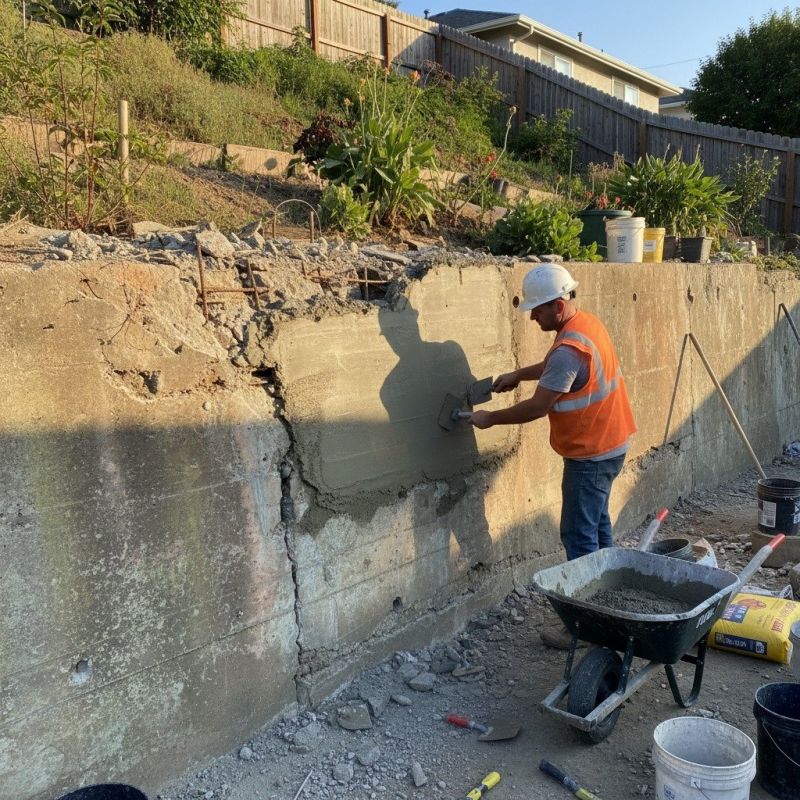
When comparing local contractors for poured concrete wall repair related to water intrusion damage, it is important to consider their experience with similar projects. Homeowners should inquire about the types of repairs the service providers have performed on poured concrete walls affected by water intrusion, ensuring they have a history of handling issues like cracking, spalling, or moisture infiltration. Contractors with relevant experience are more likely to understand the complexities involved and recommend effective solutions that address the root causes of water damage, helping to prevent future problems.
Clear written expectations are essential when evaluating potential service providers. Homeowners should seek detailed descriptions of the repair process, including the materials and methods that will be used, as well as any preparatory or follow-up work involved. Having a well-defined scope of work helps ensure both parties are aligned on what the repair entails, reducing misunderstandings and providing a basis for assessing the quality of the service. Reputable contractors often provide written estimates or proposals that outline these expectations, making it easier to compare options objectively.
Reputable references and effective communication are key indicators of a reliable local contractor. Homeowners can ask for references from previous clients who had similar water intrusion issues with poured concrete walls, to gain insight into the contractor’s workmanship and professionalism. Additionally, good communication throughout the process-such as responsiveness to questions, clarity in explanations, and transparency about potential challenges-can significantly impact the overall experience. Service providers who prioritize clear, consistent communication are better positioned to address concerns promptly and ensure the repair work aligns with the homeowner’s expectations.
Property owners often search for how water intrusion damages poured concrete walls when they are planning practical projects around their homes and businesses. Local pros provide Poured Concrete Wall Repair services for everyday jobs and straightforward project options.
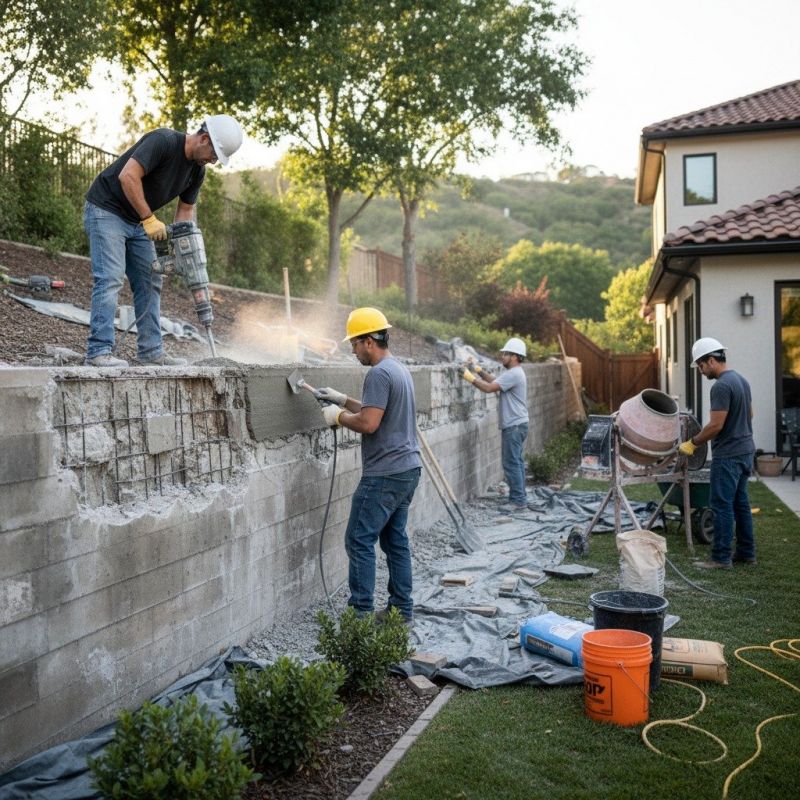
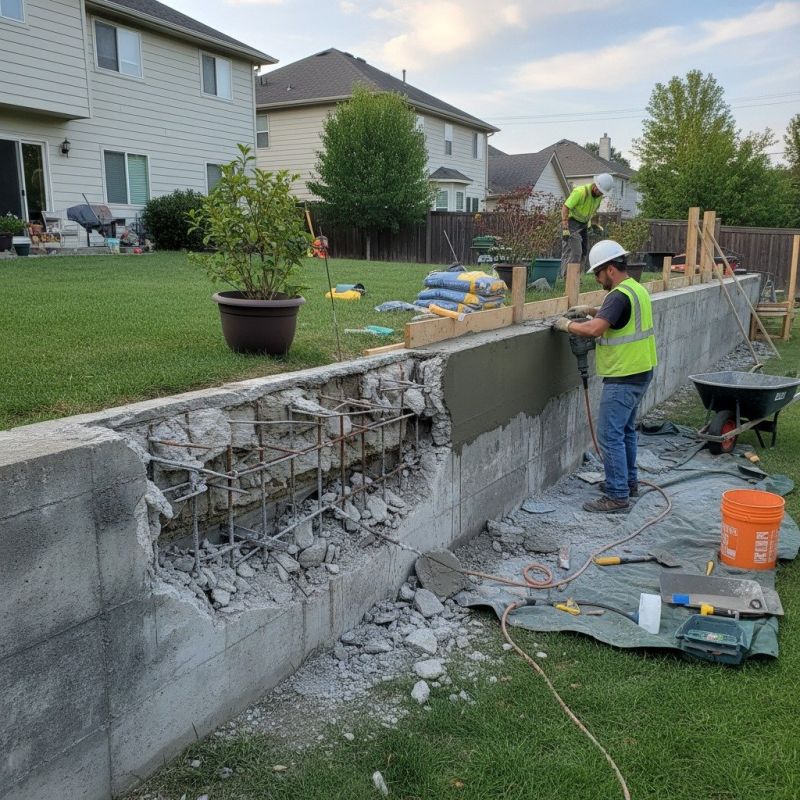
Water intrusion can significantly impact poured concrete walls, especially in areas with frequent rain or high humidity. Over time, moisture can seep through small cracks or porous surfaces, leading to deterioration, cracking, and even structural weakening. Property owners might notice signs like damp patches, efflorescence, or crumbling concrete, prompting them to seek professional assistance to prevent further damage and maintain the integrity of their walls.
For those experiencing issues related to water intrusion, local contractors specializing in poured concrete wall repair can offer solutions to address and mitigate these problems. These service providers are equipped to assess the extent of damage, identify sources of moisture entry, and perform necessary repairs to restore strength and durability. Connecting with experienced local pros can help property owners protect their investments and ensure their poured concrete walls remain sound over time.
How does water intrusion cause damage to poured concrete walls? Water intrusion can lead to cracking, spalling, and weakening of poured concrete walls over time, compromising their structural integrity and durability.
What signs indicate water damage in poured concrete walls? Visible cracks, efflorescence (white salt deposits), damp spots, and mold growth are common signs of water intrusion and damage in poured concrete walls.
Why is it important to repair water-damaged poured concrete walls promptly? Prompt repairs help prevent further deterioration, reduce the risk of structural failure, and protect the interior spaces from moisture-related issues.
How do local contractors typically repair water intrusion damage in poured concrete walls? Repairs often involve sealing cracks, applying waterproof coatings, and sometimes installing drainage systems to prevent future water entry.
Can waterproofing prevent water damage to poured concrete walls? Yes, professional waterproofing treatments can significantly reduce water intrusion, helping to preserve the strength and lifespan of poured concrete walls.
Identify water entry points - Property owners can inspect poured concrete walls for cracks or gaps that allow water intrusion and seek local contractors to seal these vulnerabilities effectively.
Monitor for signs of damage - Recognizing early signs like efflorescence or mold buildup helps property owners decide when to consult local pros for repair before issues worsen.
Implement waterproofing solutions - Applying waterproof coatings or membranes with the help of local contractors can prevent water from penetrating poured concrete walls.
Schedule regular inspections - Routine evaluations by local pros can catch water intrusion issues early, minimizing damage to poured concrete walls over time.
If you are thinking about how water intrusion damages poured concrete walls for a property, this guide is meant to help you understand this topic, the typical project types, and how different options might fit your plans.
When you are ready, you can use the quote form on this page to share a few details about your project. From there, local pros can review the basics and follow up with options that match what you have in mind.